K-State’s Use of Space as a Place for Learning
Case Studies: Farm Machinery Hall, Seaton-Reginer Hall, and Denison Hall
-
This project’s goal is to analyze how K-State utilizes their buildings as a place of learning for students, by using Farm Machinery Hall, Denison Hall, and Seaton-Regnier Hall as case studies. With these three buildings, we can examine when they were built, why they were built, if and why there were expansions, and what has happened to the buildings (destroyed or are still standing). With this information, we can understand the historical significance of these buildings, how they share a perspective on K-State’s usage of their buildings to serve a purpose, and how they have adapted these purposes to fit the needs of the students. Lastly, we can examine how K-State has given recognition to its buildings and their significance to the institution. To answer these questions, this project utilizes archival research from the Richard L. D. and Marjorie J. Morse Department of Archives and Special Collections at the Kansas State University Libraries and the Department of Space Management Archives from the K-State Division of Facilities.
-
The University did not originally begin as Kansas State University, but as Bluemont College in 1858. When Bluemont College applied for and granted land-grant status, it became Kansas State Agricultural College (KSAC). The institution was later renamed as Kansas State College of Agriculture and Applied Sciences (KSCAAP) and finally becoming Kansas State University (KSU) in 1959.
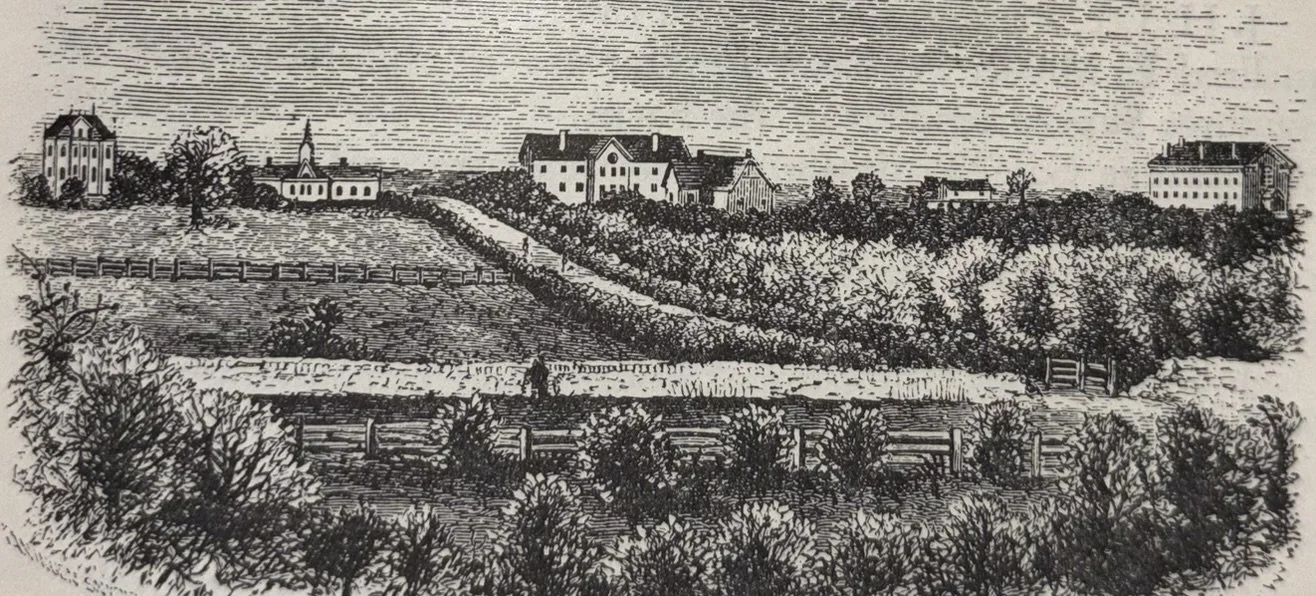
Additionally, the current Manhattan campus is not the original location of the campus. The original campus sat near 1403 College Avenue, now the Central National Bank, located at the intersection of Claflin Road and College Avenue. There is a marker that shares the history of its founding at this location. It was not until around 1875 that the campus was moved to its new location, which, was supposed to be the new college farm when the land was purchased.
-
How has K-State utilized its buildings, using Farm Machinery Hall, Denison Hall, and Seaton-Regnier Hall as case studies, to serve as a place for education, adapted them for different needs within the institution, while also recognizing the historical significance of these buildings?
-
K-State utilizes and adapts its buildings appropriately to support the educational goals of students but seldom gives recognition of the significance of its buildings.
-
Through this research, it is clear that K-State appropriately utilizes and adapts their buildings to meet the educational goals of students. Whether that be through building new additions to existing structures for more space or construction of a new structure that can hold a higher occupancy. However, K-State seldom gives recognition of the historical significance of its buildings, leaving much of their legacy overlooked.
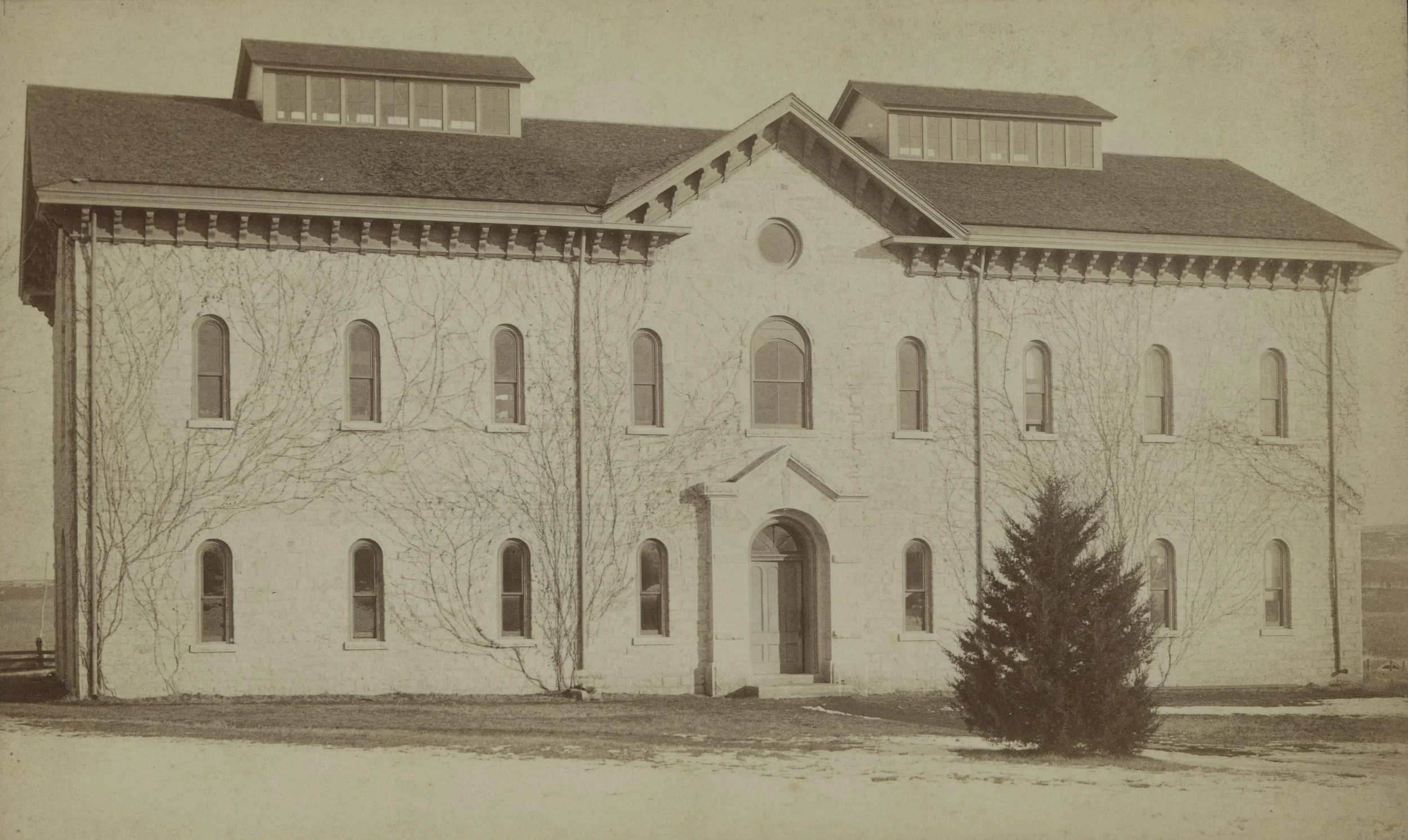
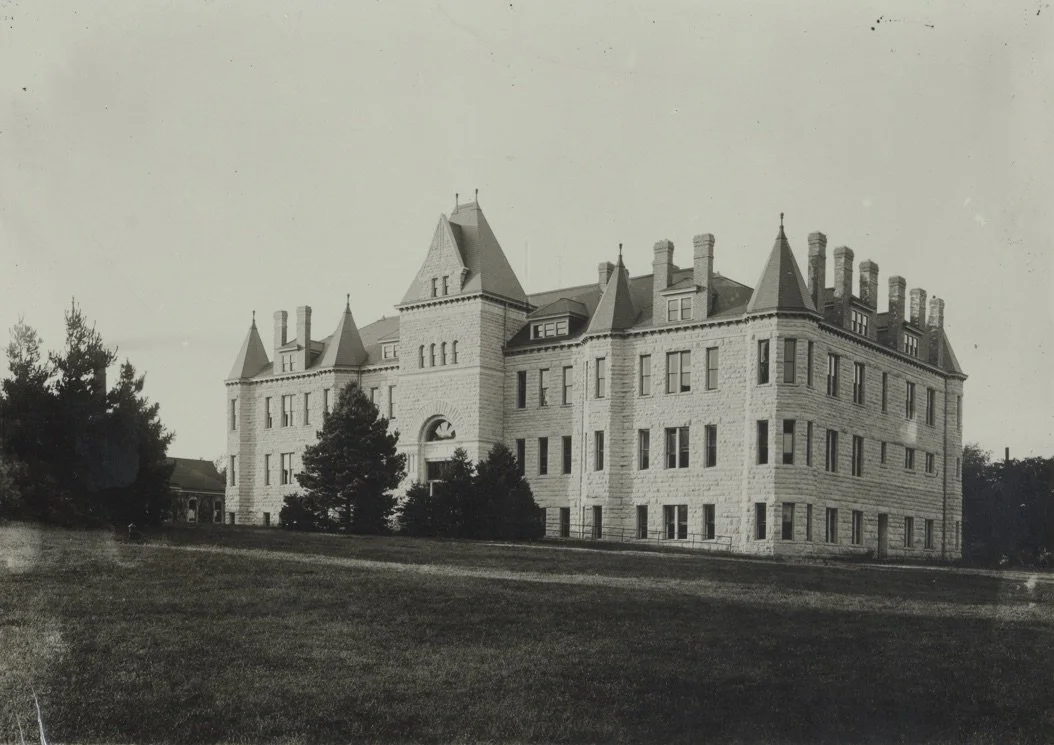
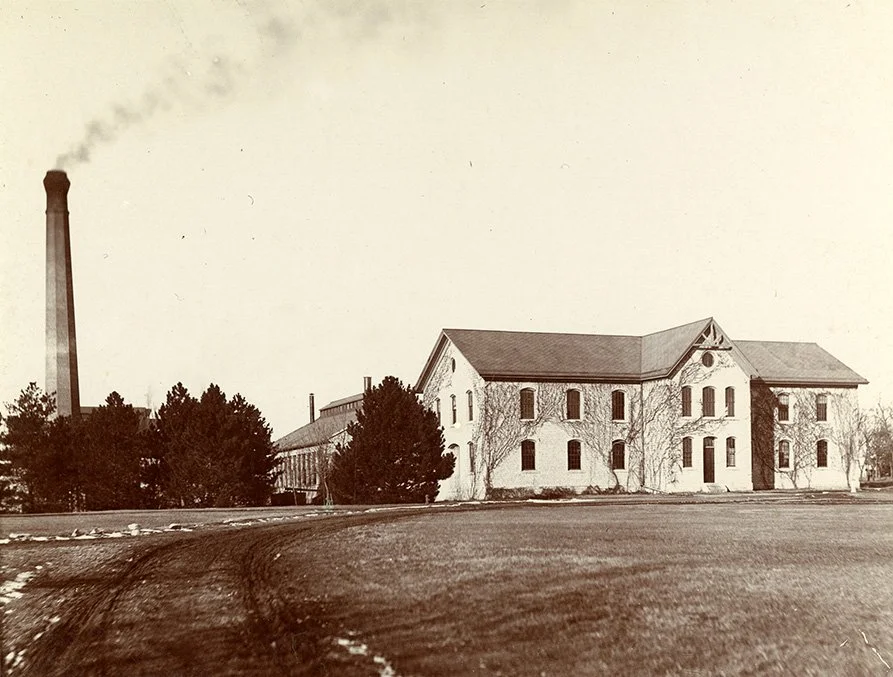
Farm Machinery Hall, Denison Hall and Seaton-Regnier Hall share different ways of adaptation and utilization. Farm Machinery Hall was adapted from being a barn to offering space for multiple departments, but many students were unaware of its history, showcasing the lack of recognition. Denison Hall reconciled the loss of a previous building while adding more space than the original building allowed, but its story is mostly forgotten. Lastly, Seaton-Regnier Hall is a great example of successful adaptation through expansions and renovations, though recent additions have ignored the history of the original structure.
Overall, these case studies reveal that K-State appropriately adapts their buildings to meet educational goals, the preservation and recognition of the University’s architectural history remain largely unknown. K-State should maintain its strength of adapting its buildings but work to improve on the recognition of past buildings.
Acknowledgements
I would personally like to thank the following individuals for their help through the process of this project.
Amanda Chance, for being an outside eye for the design of this website;
Sydney Gold, for giving me inspiration to showcase this information to the community;
Berney Family Welcome Center colleagues, for listening to me talk about this project and providing feedback;
Lisa Johnson, Heather Mills, and Casey Lauer from the Division of Facilities, for providing resources for the project;
Haileigh Jacobs, Ryan Leimkuehler, and Cliff Hight from the Richard L. D. and Marjorie J. Morse Department of Archives and Special Collections at the Kansas State University Libraries, for aiding in the research process and providing resources;
Dr. Eric Brandom, for providing support and feedback throughout the duration of this project;